
Dr. Buddha
Dr. Rajasekhar Buddhavarapu — fondly known to his patients as Dr. Buddha — provides individualized medical care at Serene Integrative HealthCare, bringing together the strengths of conventional and integrative medicine.
He is board-certified in internal medicine, geriatric medicine, hospice and palliative medicine, and integrative medicine, with more than twenty years of experience caring for patients in hospitals, rehabilitation centers, nursing facilities, hospice, and private practice.
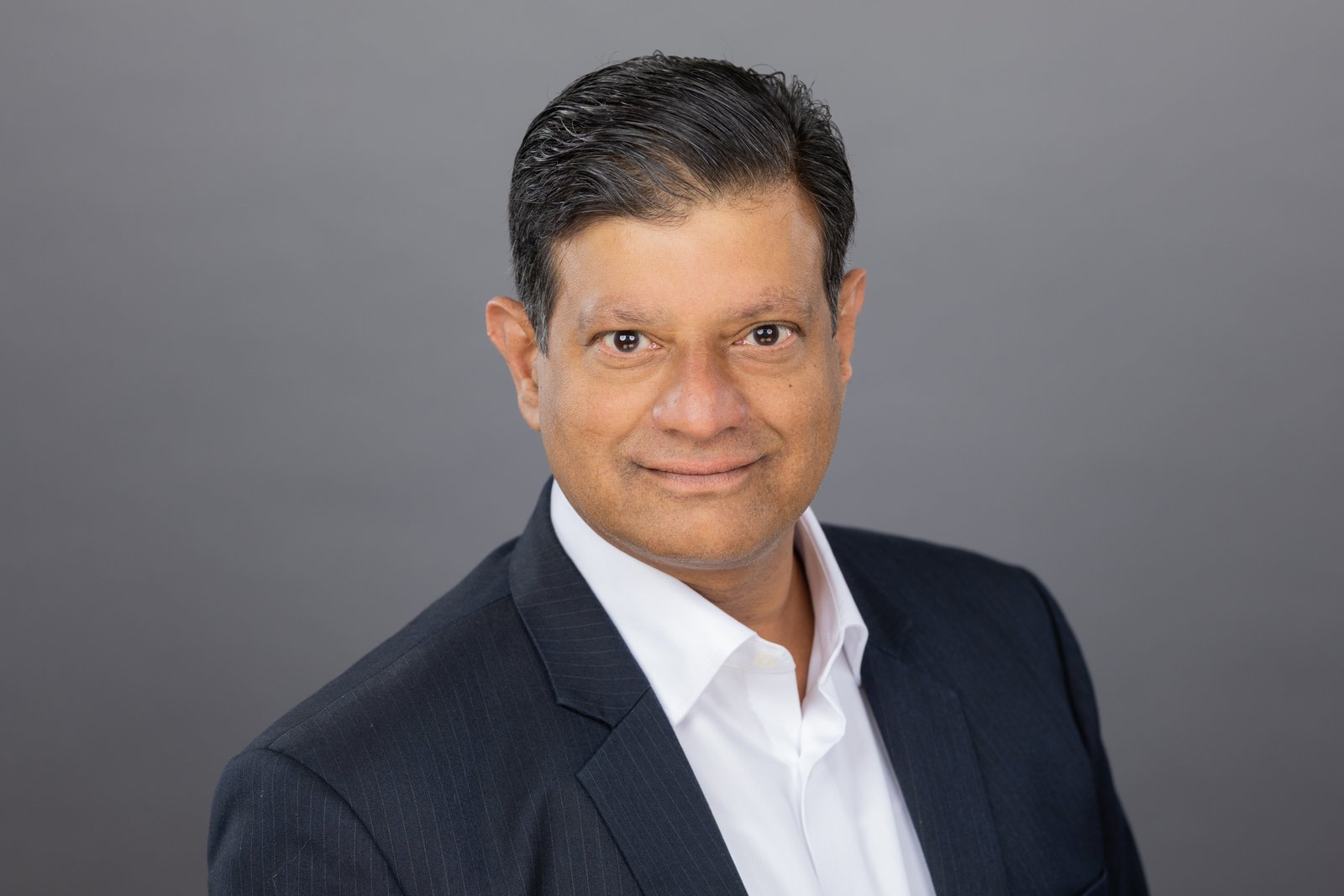 Photograph of Dr. Buddha—
to be added
Matching the treatment to the problem
His approach is based on a simple principle: the treatment should fit the patient, the diagnosis, and the circumstances. Some patients need conventional medical treatment. Others may benefit from nutrition, lifestyle changes, acupuncture, ketamine therapy, regenerative approaches, or other carefully selected complementary treatments. Often, the most effective plan combines more than one approach.
At his Tuckahoe office, Dr. Buddha takes the time to understand the full clinical picture, review what has already been tried, and develop a plan that is medically sound, realistic, and specific to the individual.
When a plan calls for expertise beyond his own, he refers to a small network of integrative practitioners whose work he knows well, and remains involved in coordinating the care. See the practitioners Dr. Buddha works with →
Serene Integrative HealthCare
Serene Integrative HealthCare is Dr. Buddha's practice in Tuckahoe — built to make a different kind of medicine possible. It is independent of insurance, so that time and attention are never rationed, and it brings together the strengths of conventional and integrative medicine in a single, considered plan.
Here, a patient's whole story has room to be heard, and care is shaped around the person rather than the appointment.
Independent of insurance
Time and attention are never rationed by a plan or a billing code.
Conventional and integrative
The strengths of both traditions, drawn into one considered plan.
Unhurried by design
The whole story, heard without a clock running in the background.
What patients have said
"I was in terrible shape when I came to him. Dr. Buddha is one of the most caring, attentive, accessible and most intelligent doctors I have. I love his combination of Eastern and Western medicine. He gave me my independence and my quality of life back."
"We quickly built the kind of doctor–patient relationship I value: collaborative. He tailors our plan of care to my symptoms while keeping my long-term goals in sight."
The first step is a conversation.
To ask about care, call or write. Evening and Saturday appointments are available.